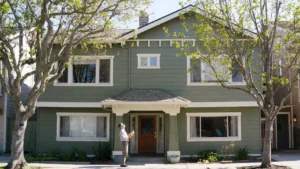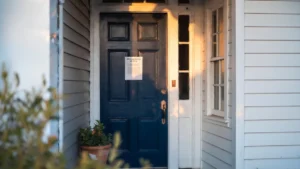

In California, the repair clock starts the moment a tenant gives notice — not when it’s convenient to respond. In this video, Jason Crouch breaks down exactly what the law requires: how fast you need to move, how severity changes the timeline, and what documentation you need to protect yourself before a dispute ever reaches a rent board or housing court.
Prefer to read? California Landlord Repair Timelines (2026 Guide) is the full written guide, with timelines by type of repair and the documentation that protects you in a dispute.
What This Video Covers
- When does the repair clock start for California landlords? — 0:00
- What can a tenant legally do if a landlord is slow to respond? — 0:17
- Emergency repairs: 24–48 hours — 0:38
- Urgent repairs: 7–14 days — 0:50
- Routine repairs: up to 30 days — 1:03
- The most common landlord mistake: misjudging the category — 1:07
- What documentation protects you after a repair — 1:25
- How All East Bay Properties handles maintenance coordination — 1:47
Key Takeaways
- The repair clock starts on notice — any format. A text, email, voicemail, or maintenance platform request all count. Written acknowledgment the same day you receive it establishes the notice date and protects you.
- Emergency repairs require response within 24–48 hours. No heat in winter, sewage backup, burst pipe, gas leak — these are not routine. Waiting until the next business day may already be too late under the standard courts apply.
- Urgent repairs: 7–14 days. Broken exterior lock, active leak, pest infestation. Safety-affecting conditions that don’t rise to emergency level still require faster response than most landlords expect.
- Routine repairs: up to 30 days. Dripping faucet, minor appliance issue, non-urgent plumbing. This is the one category where a landlord has meaningful scheduling flexibility.
- Tenants have real remedies without a lawyer. Repair-and-deduct (up to one month’s rent), rent withholding for uninhabitable conditions, and retaliatory eviction protections under a 180-day presumption window are all available — and commonly used in Oakland and Berkeley.
- Documentation is your legal defense. Timestamped work orders, entry notices, before-and-after photos, and filed invoices are what courts and rent boards evaluate. The work order creation date — not the repair completion date — is the clock they use.
- Oakland and Berkeley landlords face elevated stakes. Active rent boards, well-resourced tenant legal aid, and formal complaint processes that are low-barrier to access mean that unresolved repair requests carry more practical consequence here than in most other California jurisdictions.
Laws & Resources Mentioned
- California Civil Code §1941 — Landlord’s duty to maintain habitable rental properties
- California Civil Code §1941.1 — Specific habitability conditions including hot water, heating, and pest-free premises
- California Civil Code §1942 — Repair-and-deduct remedy; tenant’s right to repair after landlord failure
- California Civil Code §1942.5 — Retaliatory eviction protections; 180-day presumption window
- California Civil Code §1954 — 24-hour written notice requirement for landlord entry
- Green v. Superior Court (1974) — California Supreme Court case establishing the implied warranty of habitability
- Berkeley Rent Stabilization Board — Handles habitability complaints; findings can affect rent increase and eviction rights
- Oakland Rent Adjustment Program — Oakland’s local habitability complaint process
- California Courts Self-Help — 3-Day Notice to Pay or Quit
- Full guide: California Landlord Repair Timelines: How Fast You Must Fix Tenant Requests (2026 Guide)
- Related: California’s Implied Warranty of Habitability — What East Bay Landlords Must Maintain
- Related: California Landlord Entry Rules in 2026 — Inspections, Notice & What You Can (and Can’t) Do
- Related: The East Bay Landlord’s Spring Maintenance Checklist: What to Inspect, Fix & Document in 2026
Need Help Managing Repair Requests for Your Portfolio?
Every maintenance request at All East Bay Properties is acknowledged the same day, logged in AppFolio with a timestamp, and assigned to a vetted vendor. Every work order is documented in the monthly owner statement — no surprises, no markups. Owners pay exactly what the vendor charges.
Video Transcript
A tenant just sent you a repair request. Maybe it’s a text. Maybe it’s an email. Maybe they left you a voicemail.
Here’s what most California landlords don’t realize: the clock started the moment that message arrived. Not when you respond. Not when you schedule the vendor. Right now.
California law gives tenants real remedies when landlords are slow to act. They can hire their own contractor and deduct the cost from rent. They can withhold rent entirely. And if you try to push back — even informally — they can claim retaliation.
None of that requires a lawyer or a courtroom. It starts with a text message and an unanswered repair request.
So how fast do you actually need to move? It depends on the severity.
For emergencies — no heat in winter, a burst pipe, a sewage backup — you’re looking at 24 to 48 hours. That’s it.
For urgent issues — a broken exterior lock, an active leak, a pest infestation — courts expect a response within about one to two weeks.
For routine repairs — a dripping faucet, a minor appliance issue — you generally have up to 30 days.
But here’s where landlords get it wrong: they misjudge the category. A heating failure on a cold Friday night in Oakland is not a routine repair. It’s an emergency. And waiting until Monday to call a vendor may already be too late.
Responding fast is only half the battle. What you do next matters just as much.
Every repair request needs a paper trail: a written acknowledgment the same day you receive it, a dated work order, a 24-hour entry notice before any vendor visit, photos before and after the repair, and the invoice filed by property and date.
That documentation is your legal defense. In a rent board hearing or a housing court, it’s the difference between a landlord who acted reasonably and one who didn’t.
At All East Bay Properties, we handle all of this for the owners we work with. Every maintenance request is acknowledged the same day, logged in AppFolio with a timestamp, and assigned to a vetted vendor. Every work order is documented in the monthly owner statement — no surprises, no chasing us down for updates. And we never mark up contractor invoices, so owners pay exactly what the vendor charges.
If you’ve got a repair request sitting in your inbox right now — or you want a system that handles this so you never have to think about it — visit alleastbayproperties.com or hit the link below to schedule a free consultation.