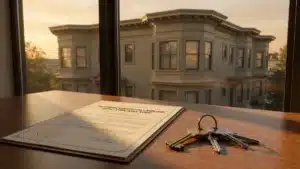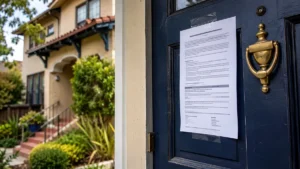

California gives landlords real legal protections — AB 1482 exemptions, owner move-in rights, and lease clauses courts will actually enforce. But it also draws lines that cannot be crossed, no matter how many months of rent are owed. In this video, All East Bay Properties covers both sides: what East Bay owners can legally do to protect their interests, and the specific actions that create immediate civil liability under California Civil Code §789.3.

What This Video Covers
- Introduction — the line California landlords cannot cross — 0:00
- What California law actually gives landlords — 0:08
- AB 1482 exemptions — the most overlooked protection — 0:27
- Owner move-in rights in Oakland — 1:01
- What you absolutely cannot do — 1:17
- Three prohibited actions under Civil Code §789.3 — 1:31
- The lockout scenario — how it typically plays out — 1:49
- The $100/day penalty explained — 2:07
- Cash-for-keys — a legal alternative — 2:27
- How All East Bay Properties handles this — 2:40
- Series wrap and full written guides — 2:55
- Free consultation — 3:03
What East Bay Landlords Need to Know
California gets a reputation for being difficult on landlords — and some of that reputation is earned. But the legal picture is more nuanced than most owners realize. The state gives rental property owners meaningful tools: the ability to evict for documented, legally recognized reasons; exemptions from rent control and just cause requirements for a broad class of properties; and lease clause protections that courts will enforce when properly drafted and correctly applied.
The question isn’t whether those protections exist. It’s whether they’ve been set up correctly — before a dispute starts, not during one.
AB 1482 Exemptions: The Most Overlooked Protection
The Tenant Protection Act of 2019 (AB 1482) established statewide rent caps and just cause eviction requirements for most California rental housing built before 2005. But significant categories of properties are exempt — including single-family homes, condos sold separately, owner-occupied duplexes, and housing built after January 1, 2010.
The critical detail: the exemption for single-family homes and condos is not automatic. It requires delivery of a specific written notice to the tenant. Properties where that notice was never served may not be able to claim the exemption in a legal proceeding. This is the single most common documentation gap in self-managed East Bay portfolios.
Owner Move-In Evictions in Oakland
California law gives rental property owners the right to recover possession for personal use — but with strict procedural requirements in Oakland. Under the Oakland Just Cause for Eviction Ordinance, an owner move-in requires 60 days’ written notice, relocation assistance in an amount set by the Oakland Rent Adjustment Program, and genuine occupancy of the unit as a primary residence for at least three years. Courts and the Rent Adjustment Program scrutinize these cases carefully.
What Civil Code §789.3 Prohibits — Absolutely
California Civil Code §789.3 makes self-help eviction illegal without exception. Regardless of how many months of rent are owed, landlords cannot:
- Change or add locks to the rental unit without a court order
- Shut off water, gas, or electricity
- Remove or dispose of the tenant’s belongings
- Remove doors, windows, or appliances to make the unit uninhabitable
- Threaten, intimidate, or harass a tenant to induce them to leave
The statutory penalty is $100 per day from the first day of the violation — before actual damages (hotel costs, storage, moving expenses) and attorney’s fees. Two weeks of a locked-out tenant reaching $1,400 in statutory penalties before a single receipt is submitted is not an edge case. It is the pattern.
The lockout scenario plays out the same way: an owner changes the locks believing the tenant has left. Within hours the tenant calls police. Within days a civil claim is filed. The landlord now has two legal problems instead of one — and if the underlying eviction case was solid, the self-help attempt has handed the tenant leverage in that case too.
Cash-for-Keys: A Legal Alternative
A voluntary cash-for-keys agreement — where the landlord offers payment in exchange for the tenant vacating by a specified date — is legal when genuinely voluntary, documented in writing, and not used as a pressure tactic. It is not a substitute for the legal process if the tenant declines.
Key Takeaways
- The AB 1482 exemption requires a written notice to the tenant. For single-family homes and condos, the exemption is not automatic. If the notice was never served, a court may not allow you to claim it — even if the property clearly qualifies. This is fixable going forward, but cannot be applied retroactively.
- Owner move-in in Oakland means 60 days notice and 3 years of genuine occupancy. The procedural requirements are real and courts enforce them. A short occupancy followed by a market-rate re-rental is the fact pattern most commonly associated with wrongful eviction claims.
- Civil Code §789.3 has no exceptions. Changing locks, shutting off utilities, and removing belongings are all prohibited — regardless of what the tenant owes, how long the dispute has gone on, or whether the unit appears vacant. The $100/day penalty runs from the first day of the violation.
- The lockout scenario creates two problems, not one. A solid nonpayment case does not insulate a landlord from §789.3 liability. In fact, a self-help attempt gives the tenant leverage in the eviction case itself, because courts are not sympathetic to landlords who bypassed the legal process.
- Cash-for-keys works when it’s genuinely voluntary. If the tenant agrees, documents it in writing, and the keys and payment are exchanged clearly — it’s legal and can be faster than the UD process. If the tenant says no, the legal process is the only path forward.
- Your best legal protection is the one set up before the dispute starts. Correct lease language, a documented exemption notice, and a property manager who knows when to escalate are more valuable than any reactive measure taken after a tenancy breaks down.
Laws & Resources Mentioned
- California Civil Code §789.3 — Self-help eviction prohibition; $100/day statutory penalty
- California Civil Code §1940.2 — Tenant harassment prohibition; up to $2,000 per violation
- California Civil Code §1946.2 — Just cause eviction requirements under AB 1482
- California Civil Code §1951.3 — Notice of Belief of Abandonment; 18-day response window
- AB 1482 — Tenant Protection Act of 2019 — Statewide rent caps and just cause framework
- Oakland Just Cause for Eviction Ordinance — Owner move-in requirements, relocation assistance
- Oakland Rent Adjustment Program — Relocation assistance amounts, owner move-in documentation
- Full written guide:California Landlord Protections & Self-Help Eviction Risks: What You Can (and Absolutely Cannot) Do (2026)
- Related:California Eviction Law 101: The East Bay Landlord’s Complete Guide (2026)
- Related:California Eviction Notice Types & Service Rules (2026)
- Related:How Long Does an Eviction Take in California? The Alameda County UD Timeline (2026)
Questions About Your Property’s AB 1482 Status or a Difficult Tenancy?
Most eviction problems become expensive because owners wait until the situation has escalated before reviewing the lease, the notice, or the exemption status. At All East Bay Properties, we review AB 1482 coverage and exemption status on every property we take on — because that determination shapes every enforcement decision that follows.
Video Transcript
There are real protections for California landlords. But there are also lines you must never cross — no matter what the tenant owes.
California law gives landlords real tools. You have the right to evict for documented reasons. You may be exempt from rent control. You have lease clauses courts will enforce. The question is whether you’ve set them up correctly — before a dispute starts.
One of the most overlooked protections is the AB 1482 exemption. If you own a single-family home, a condo sold separately, or a property built after 2010 — you may be exempt from California’s rent cap and just cause requirements. But the exemption isn’t automatic. You have to serve a specific written notice to the tenant. If that notice was never served, a court may not let you claim it. This is the single most common documentation gap we see in self-managed properties.
If you need to reclaim your rental for personal use, California law gives you that right. In Oakland: 60 days written notice, relocation assistance per the Rent Adjustment Program, and genuine occupancy as your primary residence for at least three years. Courts scrutinize these cases carefully.
Now — the other side of the line. No matter what the tenant owes. There are actions California law prohibits absolutely. And the penalties are significant.
You cannot change the locks without a court order. You cannot shut off utilities. You cannot remove the tenant’s belongings. These are violations of Civil Code section 789.3. They apply regardless of how many months of rent are owed. There is no exception.
Here’s how it typically plays out. Owner changes the locks. Believes the tenant left. Within hours — the tenant calls police. Within days — a civil claim is filed. Now there are two legal problems instead of one. And the tenant has leverage in both.
The penalty under section 789.3 is one hundred dollars per day from the first day of the violation. Two weeks is fourteen hundred dollars — before hotel costs, storage, and attorney’s fees. The locksmith cost a hundred and fifty. The legal exposure can be five figures.
A voluntary cash-for-keys agreement is legal. Voluntary. In writing. Genuine choice by the tenant. Not a pressure tactic. Not a substitute for the legal process if they say no.
At All East Bay Properties, we review AB 1482 status on every new property we take on. When tenants stop paying, we follow the legal process exactly. We have never advised a client to change locks or shut off utilities. And we never will.
This wraps our May series on California eviction law. Four weeks. Four topics. Full written guides linked in the description.
Questions about your property’s exemption status or a difficult tenancy? Link in the description. All East Bay Properties — protecting East Bay owners.