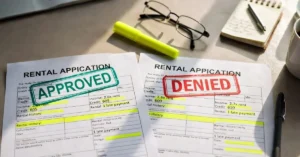

One screening mistake can cost Bay Area landlords thousands in settlements and legal fees — and it’s not always the obvious ones. This is the overview video for our February Fair Housing series.

What This Series Covers
This is the hub video for a four-part series on Fair Housing and tenant screening for California landlords. Each video goes deeper on a specific risk area:
- This video: Overview — the screening mistakes that create Fair Housing exposure and why they happen
- Week 2: Why “Flexible Screening” Is a Fair Housing Risk — and what to do instead
- Week 3: Fair Housing Protected Classes in California — the 20+ classes landlords often miss
- Week 4: Rental Ads & Language That Create Liability — Fair Housing starts before the application
What East Bay Landlords Need to Know
Fair Housing violations rarely start with bad intentions. They usually start with inconsistent screening decisions — an exception made for one applicant but not another, criteria applied differently depending on who’s asking, or a question asked during a showing that seemed like small talk.
California’s Fair Housing laws are broader than most landlords realize. The federal Fair Housing Act protects seven classes. California’s Fair Employment and Housing Act (FEHA) adds more than a dozen more — including source of income, immigration status, marital status, and primary language. Oakland and Berkeley add further local protections on top of that, including bans on using criminal background checks in tenant screening under their Fair Chance Housing Ordinances.
Enforcement is complaint-driven, not audit-based. There are no routine inspections. You usually have no warning until a complaint has already been filed — often weeks or months after a denial. At that point, your documentation (or lack of it) determines the outcome. Settlements in California Fair Housing cases regularly run $30,000 to $145,000 or more, not counting legal fees.
The good news is that a compliant screening process isn’t complicated. Written criteria, applied consistently, documented for every applicant. That’s the foundation. The videos and guides in this series walk through each piece.
Key Takeaways
- Most Fair Housing violations are unintentional — they stem from inconsistent decisions, not discriminatory intent.
- California recognizes 20+ protected classes under FEHA, far beyond the federal baseline of seven. Oakland and Berkeley add further local protections.
- Fair Housing enforcement is complaint-driven — a single denied applicant can trigger an investigation months later.
- Verbal decisions and undocumented exceptions are the most common source of legal exposure.
- A compliant process requires written criteria, consistent application, and documentation of every screening decision.
- Settlements in California Fair Housing cases routinely reach $30,000–$145,000+ — far more than a year’s rent on most units.
Full Series — Fair Housing & Tenant Screening
- Overview (this video): Fair Housing & Tenant Screening — What East Bay Landlords Need to Know
- Week 2: Why “Flexible Screening” Is a Fair Housing Risk
- Week 3: Fair Housing Protected Classes in California: What Landlords Often Miss
- Week 4: Fair Housing Starts Before the Application: Rental Ads & Language That Create Liability
Have Questions About Your Screening Process?
We handle tenant screening for 600+ units across the East Bay — with written criteria, consistent application, and full documentation so our clients are protected if a complaint is ever filed.
Video Transcript
Did you know? One screening mistake can cost Bay Area landlords thousands in settlements and legal fees. And it’s not always the obvious ones.
California’s Fair Housing laws are strict, and even well-meaning landlords make violations during tenant screening without realizing it. Asking the wrong questions on applications. Using inconsistent screening criteria. Even the language in your rental ads. These common practices can trigger serious legal claims.
The good news? These mistakes are completely avoidable when you know what to look for.
This month, I’m breaking down the screening mistakes that create Fair Housing risk, and exactly what to do instead. Read the full guide and stay compliant.